Crayford Manor House wedding flowers case study
Posted on 13/10/2026
If you are planning a wedding at Crayford Manor House, the flowers can do a lot of heavy lifting. They set the tone the moment guests arrive, they soften historic interiors, and they pull the ceremony, dining room and photographs together in a way that feels effortless. This Crayford Manor House wedding flowers case study looks at how to think about venue styling, bouquet design, ceremony pieces and table arrangements so the floral story feels cohesive rather than cluttered.
Truth be told, wedding flowers are one of those details that look simple from the outside and then become surprisingly nuanced the closer you get. Which flowers suit the venue? How much colour is too much? What actually matters for a photograph at 3pm in soft daylight? Those are the kinds of questions this guide helps answer. You will also find practical planning advice, common mistakes to avoid, and a realistic look at how couples can choose floral designs that suit both the setting and the day.
For couples comparing styles, it can help to browse a wider range of wedding-focused designs such as the wedding collection alongside individual pieces like a bridal bouquet, bridesmaid bouquet, or buttonhole. That way, you can build a complete look instead of treating each item as a separate purchase. Makes life easier, honestly.
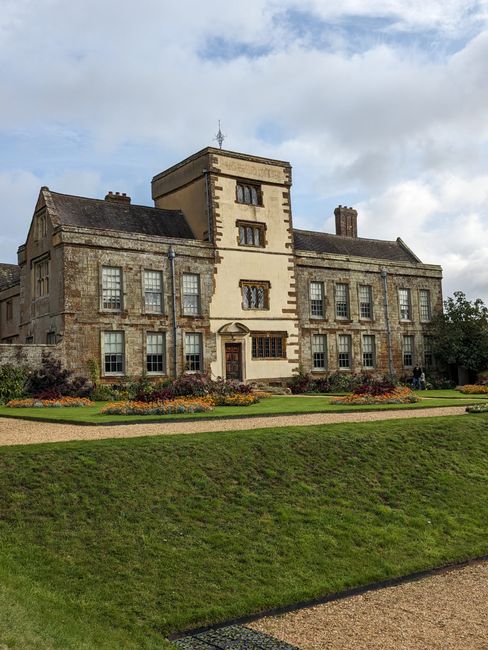
Table of Contents
- Why Crayford Manor House wedding flowers case study Matters
- How Crayford Manor House wedding flowers case study Works
- Key Benefits and Practical Advantages
- Who This Is For and When It Makes Sense
- Step-by-Step Guidance
- Expert Tips for Better Results
- Common Mistakes to Avoid
- Tools, Resources and Recommendations
- Law, Compliance, Standards, or Best Practice
- Options, Methods, or Comparison Table
- Case Study or Real-World Example
- Practical Checklist
- Conclusion
- Frequently Asked Questions
Why Crayford Manor House wedding flowers case study Matters
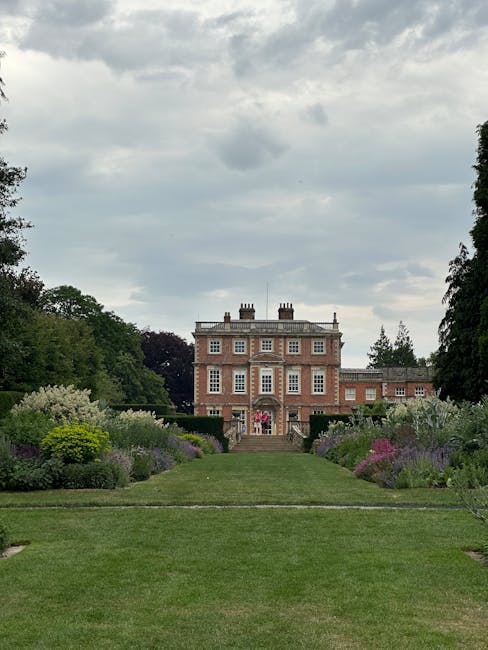
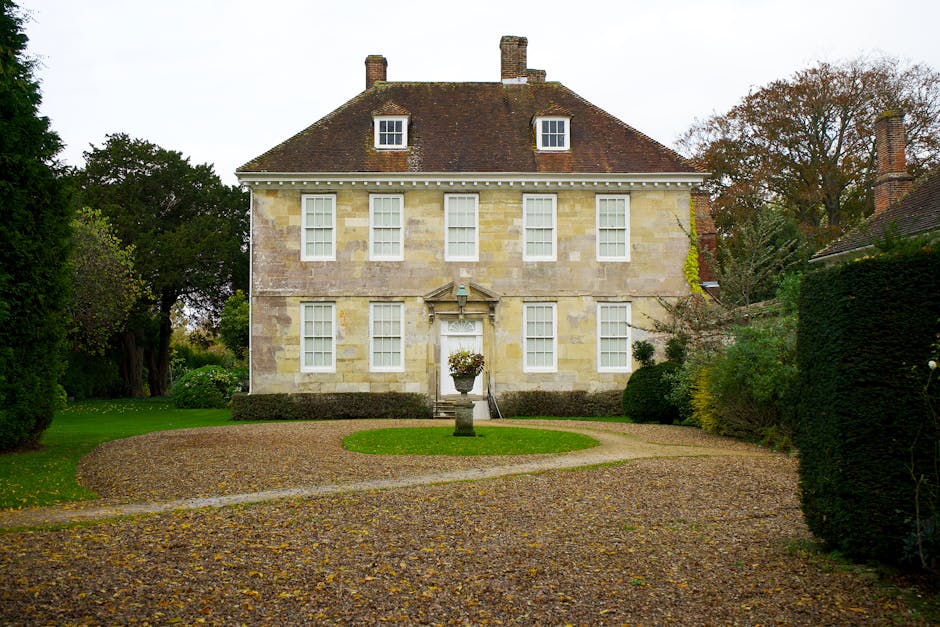
Crayford Manor House is the kind of venue that benefits from thoughtful floristry rather than overstatement. Historic or characterful venues often already have visual interest built in: period details, textured walls, formal architecture, staircases, window light, and the sort of rooms that can easily feel crowded if decor is not handled with care. Wedding flowers, then, are not just decoration. They are a design tool.
A good floral plan does three things at once. First, it supports the venue without fighting it. Second, it creates a consistent visual language from bouquet to table centrepiece. Third, it helps photography by giving the eye a repeatable colour palette and shape. That matters more than people sometimes think. A bouquet may look lovely on its own, but if it clashes with the table styling or sits awkwardly against the room's colours, the whole wedding can feel visually disconnected.
There is also a practical side. When couples ask for a Crayford Manor House wedding flowers case study, they are usually trying to understand what actually works in a real setting, not in a mood board fantasy. That means scale, timing, budget, and logistics matter. It is one thing to say "romantic flowers"; it is another to decide whether that means white roses, soft blush tones, seasonal greenery, or a fuller luxury look with statement pieces.
Expert summary: the best wedding flowers for a venue like Crayford Manor House are rarely the biggest arrangements. They are the arrangements that feel balanced, photograph well, and respect the space.
How Crayford Manor House wedding flowers case study Works
In practice, a wedding flower plan for Crayford Manor House starts with the venue layout and the couple's priorities. The florist usually looks at the ceremony setup, aisle or focal point, reception tables, and any entrance or feature areas that need emphasis. After that comes the style conversation: classic, romantic, contemporary, minimal, or something more seasonal and loose.
The process often works best in layers:
- Define the overall mood. For example, soft and elegant, rich and dramatic, or fresh and modern.
- Choose a colour palette. White and green feels crisp and timeless; blush, peach and ivory can feel softer; deeper colours can bring more contrast and evening drama.
- Select hero flowers. Roses, lilies, orchids, lisianthus, hydrangeas, and chrysanthemums all bring different textures and levels of formality.
- Map the focal points. Bridal bouquet, bridesmaid bouquets, buttonholes, ceremony flowers, and table arrangements usually matter most.
- Balance style with venue reality. Some flowers read beautifully in daylight but need a denser build to hold shape indoors; some designs need more structure for transport and setup.
That is the bit couples often miss. Flowers are not just selected; they are edited. A florist is not only choosing what looks pretty, but what will survive the journey, suit the room, and still look good after a few hours of warm hands, photos, and movement. Small thing, big difference.
If you are comparing bouquet styles, it can be useful to look at different presentation levels, from a simple bridal bouquet style to something more detailed like a classic bridal bouquet or a more romantic option such as a romantic bridal bouquet. The design choice should always fit the dress, the season and the venue mood.
Key Benefits and Practical Advantages
One of the biggest benefits of a well-planned floral scheme is visual calm. That might sound odd, but a wedding with too many competing details can feel busy, even if each piece is individually nice. Flowers create repetition, and repetition creates cohesion.
Here are the main advantages couples usually get from a thoughtful venue-specific flower plan:
- Better venue harmony. The arrangements feel like they belong at Crayford Manor House rather than being dropped in from somewhere else.
- Cleaner photos. The palette works in portraits, table shots and wide venue images.
- Smarter budgeting. Instead of spreading spend thinly across every possible surface, you invest where guests actually notice.
- Less stress on the day. A clear plan means fewer last-minute decisions and fewer awkward compromises.
- More meaningful personal style. Flowers can reflect season, personality, family traditions or cultural touches without becoming overcomplicated.
There is a practical hospitality advantage too. Guests tend to remember how a room felt, not every stem. If the florals help the space feel welcoming, soft and celebratory, the whole experience lifts. That subtle atmosphere is often the real win.
| Approach | What it looks like | Best for | Potential drawback |
|---|---|---|---|
| Minimal and refined | Fewer arrangements, cleaner shapes, restrained colour | Smaller weddings, modern styling, tighter budgets | Can feel too sparse if the room needs more softness |
| Classic romantic | Roses, soft pastels, rounded bouquets, table pieces | Traditional ceremonies and elegant receptions | May feel predictable if not personalised |
| Seasonal and natural | Looser textures, mixed blooms, greenery, seasonal tones | Couples wanting freshness and movement | Needs good editing to avoid looking untidy |
| Luxury statement | Large focal pieces, fuller bouquets, richer colour | High-impact weddings and photo-led styling | Can dominate a smaller room if scaled badly |
Who This Is For and When It Makes Sense
This kind of planning makes sense if you are getting married at Crayford Manor House and want the flowers to feel intentional rather than generic. It is especially useful for couples who care about the look of the ceremony room, the dining tables, or the photos from the day. If you are the sort of person who notices how a white rose catches the light beside a candle, you are the audience for this guide. No judgement. That is a good eye to have.
It is also helpful for couples who are balancing romance with realism. Maybe you want beautiful florals, but you do not want to overspend. Maybe you like the idea of a statement bouquet, but you are unsure whether the rest of the arrangements need to match that energy. Maybe you have one family member who loves bold colour and another who prefers things understated. Weddings do bring out the little opinions, don't they?
Here is when it makes particular sense:
- When the venue already has strong character and you need flowers to complement rather than compete.
- When you want bouquet and venue styling to feel connected.
- When you are planning with a seasonal budget and need to prioritise smartly.
- When you need to coordinate bridal, bridesmaid and groom flowers so the group pictures feel balanced.
- When you want flowers that look just as good in the room as they do in close-up photography.
If your wedding is more intimate, you may only need a handful of focused pieces. If it is larger, you may want to add table arrangements, ceremony features and possibly additional accent florals. There is no universal right answer here. The right answer is the one that suits your guest count, room layout and priorities.
Step-by-Step Guidance
Below is a practical way to think through your wedding flowers without getting lost in the weeds. Or the peonies, if you prefer.
- Start with the venue. Walk through the ceremony and reception spaces in your mind. Where will guests first look? Where will photographs be taken? Which areas feel empty and which already feel busy?
- Set your colour story. Pick two or three core colours and decide whether you want a soft, fresh, romantic or bolder finish.
- Choose key flower families. Roses, lilies, orchids, lisianthus, hydrangeas and chrysanthemums all communicate slightly different moods. You do not need every flower under the sun.
- Plan the bouquet hierarchy. The bridal bouquet is usually the focal point, bridesmaid bouquets support it, and buttonholes or corsages tie the wedding party together.
- Decide where impact matters most. Ceremony pieces and table arrangements usually give the most visual return. If the budget is limited, start there.
- Check practical details. Delivery, setup timing, access to the venue, and storage all affect how fresh the flowers look on the day.
- Review the full picture. Ask whether the flowers still look right beside the dress, suits and tableware. The whole visual system should feel coordinated, not copied.
A simple but useful tip: take a photo of your chosen palette next to your dress fabric, invitation design or table linen. In daylight, what looked "soft blush" on a screen can read as pinker than you expected. That kind of mismatch is easy to catch early, and a lot harder to fix on the morning itself.
Expert Tips for Better Results
Seasoned floristry planning is often about restraint. Not always, but often. Here are the details that usually make the biggest difference:
- Use focal points instead of spreading flowers everywhere. Two strong areas can feel more luxurious than five small ones.
- Choose flowers with reliable shape. Venue lighting and room temperature can affect how petals open through the day.
- Match bouquet weight to the wearer. A bouquet that looks lovely for ten minutes may feel awkward to carry all afternoon.
- Keep the palette tight. One accent colour is often enough, especially in a room with plenty of character already.
- Build for photographs, not just close inspection. From three feet away, the composition matters more than the individual stem count.
- Think about movement. A slightly loose bouquet, a trailing shape or a soft table design can add life without looking messy.
In our experience, couples get the best results when they are honest about what they actually notice. Some people care deeply about the bouquet. Others mostly want the tables to feel warm and polished. Start there. There is no prize for ordering flowers you do not care about just because a wedding checklist says you should.
A small human note: on a busy wedding day, it is usually the flowers near the front of the room that people remember first. Guests might not say, "Ah yes, the precise stem balance was impeccable." They will say the room felt beautiful. That is the aim.
Common Mistakes to Avoid
There are a few predictable problems that come up again and again. The good news is that they are easy to avoid once you know what to look for.
- Over-ordering for the space. If the venue is already elegant, too many flowers can make it feel cramped.
- Ignoring proportion. A tiny bouquet can disappear in a full skirted dress, while an oversized arrangement can overpower a petite frame.
- Choosing flowers without considering season and condition. Some blooms are more delicate than they look in pictures.
- Forgetting transport and setup timing. Flowers need to arrive in good condition and be placed at the right time.
- Making every arrangement identical. Variety in scale keeps the space visually interesting.
- Leaving table styling until the end. Candles, menus and linens all influence how the flowers read.
Another common issue is trying to fit too many inspirations into one wedding. A soft pastel bouquet, a tropical table design and a formal white ceremony arrangement can each be lovely on their own. Together, they may not make much sense. The room starts to wobble. Better to choose one coherent direction and do it well.
Tools, Resources and Recommendations
You do not need a giant toolkit to plan wedding flowers, but a few practical aids make the process smoother. A simple mood board, a spreadsheet of quantities, and a photo reference folder are usually enough. Old-fashioned notebook? Also fine. Whatever works.
Useful things to gather before confirming your order:
- Images of the venue layout and ceremony room
- A photo of your dress, suit or outfit colours
- Table dimensions, if known
- A clear guest count
- A rough order of events for the day
- Notes about any family traditions or meaningful flowers
On the product side, it helps to compare bouquet and arrangement styles rather than buying one item at a time. For example, a couple may pair a bridal bouquet with matching bridesmaid pieces such as matched bridesmaid bouquets, or choose coordinated wedding flowers across the full party using pieces like a wedding collection designed for a consistent look. If buttonholes and corsages are needed as well, those should be reviewed alongside the bouquet so the palette stays consistent.
For a more celebratory finish, some couples choose a fuller arrangement style, while others prefer something cleaner and more restrained. If you are leaning luxurious, a product line such as luxury flowers may be useful for inspiration; if you want to keep spending under control, look at smarter value-led choices such as affordable flowers in Crayford. Different weddings, different priorities. Simple as that.
Law, Compliance, Standards, or Best Practice
For wedding flowers, there is usually not a heavy compliance burden in the way there might be for catering or venue licensing, but good practice still matters. Florists and couples should think carefully about safe handling, access, timing, and communication with the venue.
A few sensible standards to keep in mind:
- Venue rules. Some venues have limits on candles, confetti, adhesives, or where decorations can be placed. Always check before planning floral installations.
- Access and delivery arrangements. Agree arrival times, unloading points and any setup restrictions in advance.
- Waste and packaging. Good floristry practice includes reasonable packaging management and clear disposal or collection planning after the event.
- Allergy awareness. If guests or wedding party members have sensitivities, avoid highly scented blooms where needed.
- Product honesty. It is best practice for any florist to describe arrangements clearly and not imply exact identical replication when natural materials may vary.
If you want a florist who is transparent about practicalities, it is worth reviewing general pages such as delivery information, guarantees, and terms and conditions. That kind of clarity matters. Not glamorous, maybe, but reassuring. And reassurance counts on a wedding week.
In the UK, wedding planning also tends to be shaped by common-sense venue coordination rather than rigid floral law. So the main job is really this: confirm the venue's expectations, keep communication tidy, and make sure the flowers can be delivered and set up without stress.
Options, Methods, or Comparison Table
There is more than one way to approach wedding flowers at Crayford Manor House. The best choice depends on your style, budget and how much of the room you want to cover. Here is a practical comparison.
| Method | What it involves | Strength | Best use case |
|---|---|---|---|
| Bridal-led design | Focus spend on bouquet and wedding party pieces, with lighter venue styling | Strong personal impact | Smaller or budget-conscious weddings |
| Venue-led design | Invest more in ceremony and table arrangements | Creates atmosphere across the room | Reception-heavy weddings or guest-facing spaces |
| Balanced design | Moderate spend across bouquet, party flowers and key room features | Feels cohesive and practical | Most traditional weddings |
| Statement design | Large focal pieces and layered florals throughout | High visual impact | Photography-led or luxury weddings |
For many couples, the balanced approach is the sweet spot. It lets the bouquet feel special without starving the room, and it avoids the common problem of having one great element surrounded by several underwhelming ones. That said, if your heart is set on a dramatic bridal bouquet, go for it. Weddings are meant to be personal, after all.
Case Study or Real-World Example
Here is a realistic example of how this kind of planning might come together at Crayford Manor House.
A couple wanted a classic, romantic look that felt light rather than fussy. They liked white and soft blush tones, wanted the ceremony room to feel warm in photographs, and preferred flowers that would not overwhelm the venue's character. The floral plan centred on a rounded bridal bouquet, matching bridesmaid bouquets, simple groom buttonholes, and table arrangements that echoed the same palette without competing for attention.
The interesting part was the restraint. Instead of covering every surface, the couple focused on the places guests would actually notice: the aisle area, the entrance impression, the dining tables and the hand-held flowers. A few well-chosen pieces did more than a room full of smaller decorations would have done. The result was cohesive. Clean, but not stark. Romantic, but not sugary.
That is usually what works best in a venue with personality. You do not need to fight the setting. You support it. The bouquet becomes part of the story, not a separate prop. Guests see the bride first, then the room, then the way the two belong together. That little visual conversation is where good wedding floristry really earns its keep.
If you are exploring similar romantic styles, products like white bridal bouquet options, coordinated wedding collections, and matching groom buttonholes can help create that joined-up finish without overcomplicating the plan.
Practical Checklist
Use this checklist when planning your wedding flowers for Crayford Manor House. It keeps the important bits in one place and stops the day from turning into a floral scavenger hunt.
- Have you confirmed the exact ceremony and reception spaces?
- Do you have a clear colour palette with no more than three main tones?
- Have you chosen the bridal bouquet style?
- Are bridesmaid bouquets, buttonholes and corsages coordinated?
- Have you decided where the strongest floral impact will go?
- Do you know the delivery time and access arrangements?
- Have you checked whether the venue has decoration restrictions?
- Are candles, tableware and linen colours taken into account?
- Have you thought about seasonal flower availability?
- Do you have a backup plan if a bloom is unavailable?
- Are the flowers comfortable to carry and practical for the wedding schedule?
- Have you reviewed the plan in natural daylight, not just on a phone screen?
Practical takeaway: if you can answer all of the above with confidence, you are probably in good shape. If not, go back a step. Better to sort the details now than to be juggling them on the morning while someone is hunting for ribbon scissors. It happens more than you'd think.
Conclusion
A Crayford Manor House wedding flowers case study is really about more than flowers. It is about how colour, scale, texture and timing come together to support a venue with character. The best results are rarely the loudest. They are the ones that feel considered, balanced and true to the couple.
If you remember only one thing, let it be this: start with the room, then design the flowers around it. That simple shift makes a huge difference. It keeps the look coherent, protects the budget, and gives you flowers that actually earn their place in the day rather than just filling space.
And if you are still deciding, that is completely normal. Wedding flowers are a lovely part of the planning, but they can also feel oddly high-stakes. Take your time, trust your eye, and choose the version that feels right when you picture the room on the day. That instinct is usually pretty good.
Get a free quote today and see how much you can save.
Frequently Asked Questions
What does a Crayford Manor House wedding flowers case study actually show?
It shows how wedding flowers can be planned around the venue, the couple's style and the practical needs of the day. A good case study helps you see what works in a real setting rather than in theory.
What flowers usually work best for a historic or character venue?
Classic flowers with good structure and elegant texture usually work well, such as roses, lilies, orchids, lisianthus and hydrangeas. Soft greenery can help too, as long as it does not overwhelm the room.
How do I choose the right bridal bouquet for Crayford Manor House?
Start with your dress, colour palette and the size of the ceremony space. The bouquet should suit your proportions and feel comfortable to hold. If the room is already quite detailed, a simpler shape may work best.
Do I need table flowers as well as bouquets?
Not always, but table flowers usually help tie the whole wedding together. If the reception space is a major part of the day, table arrangements can make a bigger difference than people expect.
How many floral pieces do I actually need?
That depends on guest count, venue layout and budget. At minimum, most couples look at bridal and bridesmaid bouquets, buttonholes, and some form of ceremony or reception styling.
Can I keep wedding flowers budget-friendly without making them look cheap?
Yes. The key is to focus on fewer, better-placed arrangements and use a tight colour palette. Good structure and smart placement usually matter more than sheer quantity.
What should I ask a florist before booking?
Ask about delivery timing, setup, seasonal availability, venue experience, substitution policy, and how the bouquet and arrangement designs will be coordinated. Clear answers are a very good sign.
How far in advance should I plan wedding flowers?
Earlier is better, especially if your wedding is in a busy season. It gives you time to refine the style, check venue details and avoid rushed decisions.
What if I want the flowers to match my dress and decor exactly?
It helps to share fabric photos, invitation designs and linen colours with your florist. Exact matching is not always possible with natural flowers, but close coordination is usually achievable.
Are there any venue rules I should check before ordering flowers?
Yes. Confirm what the venue allows regarding candles, adhesives, hanging decor, and access for setup. It is a simple step that prevents awkward surprises later.
Should my bridesmaid bouquets match the bridal bouquet exactly?
Not necessarily. They should coordinate, but they can be slightly smaller or simpler so the bridal bouquet still feels like the main feature.
What is the best next step if I am still unsure about the style?
Gather a few clear inspiration images, decide on your main colour palette, and shortlist the pieces that matter most to you. Once those decisions are in place, everything becomes much easier to shape.